
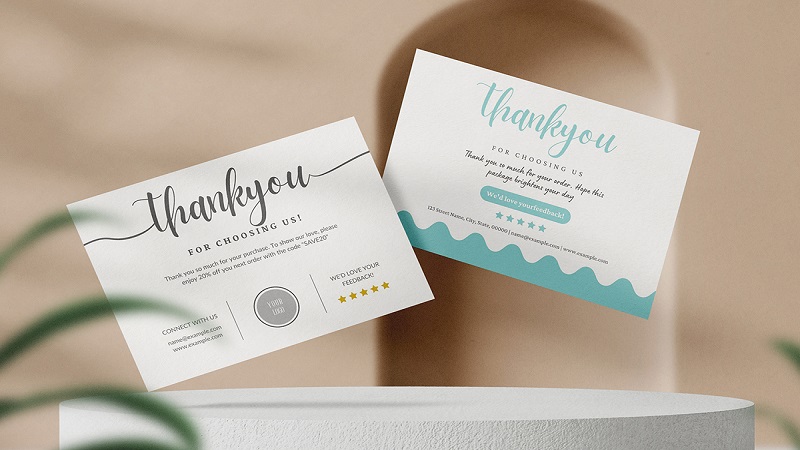
Thank You Card Design With a Modern, Professional Look
A well-designed thank-you card is a simple but meaningful way to show appreciation. Whether you are thanking a client, customer, colleague, friend, or business partner, the right card can leave a positive and lasting impression. A modern, professional design combines clean visuals, thoughtful wording, and balanced details to create a card that feels polished without becoming overly complicated.
Keep the Design Simple and Clean
Modern design is often based on simplicity. Instead of filling the card with decorative elements, focus on a clear layout with plenty of open space. A simple background, elegant typography, and one or two carefully selected design elements can make the card look sophisticated.
Avoid using too many fonts, colors, or illustrations. A professional card should be easy to read and visually balanced. Minimal decoration can actually make the message stand out more effectively.
Choose Professional Colors
Color plays an important role in creating the right impression. Neutral shades such as white, cream, gray, navy, beige, or soft blue can give a thank-you card a refined appearance. If you want a little more personality, add one accent color that complements the overall design.
For business-related cards, avoid overly bright combinations unless they match your brand identity. A restrained color palette generally creates a more professional and timeless appearance.
Select Elegant Typography
Typography can instantly change the personality of a card. Choose fonts that are attractive but highly readable. A modern sans-serif font can create a clean and contemporary look, while a subtle serif font can add elegance.
You can combine two complementary fonts, such as a stylish font for the main “Thank You” message and a simple font for the supporting text. However, keeping the number of fonts limited helps maintain a professional appearance.
Write a Genuine Message
The message is the most important part of any thank-you card. Keep your wording warm, sincere, and appropriate for the recipient. A short message can be more effective than a long paragraph when it expresses genuine appreciation.
For professional situations, mention what you are thankful for. For example, you might appreciate someone’s support, cooperation, purchase, time, or contribution. Personalizing the message makes the card feel more thoughtful and less generic.
Add Subtle Visual Details
Small details can make a modern card feel special. Consider adding a thin border, simple geometric shapes, a delicate line illustration, or a small decorative symbol. These elements should support the message rather than distract from it.
A carefully chosen thank you card design with an modern, professional look can communicate appreciation while also reflecting attention to detail and good taste.
Consider High-Quality Printing
Even an excellent digital design can lose its impact if it is printed on poor-quality material. Choose sturdy cardstock with a finish that suits the design. Matte paper can create a sophisticated and understated appearance, while a smooth or lightly textured finish can add character.
Pay attention to spacing, alignment, image quality, and margins before sending the card for printing. A professional result depends on both design and production quality.
Make It Personal
Personalization can turn an ordinary thank-you card into a memorable gesture. Add the recipient’s name, include a specific reference to your interaction, or use a small detail that relates to them. For business customers, consistent branding can also help reinforce a professional identity.
Conclusion
A modern thank-you card does not need complicated graphics or excessive decoration to make an impression. Clean layouts, elegant typography, balanced colors, meaningful wording, and quality materials can work together to create a polished result. By focusing on simplicity and sincerity, you can create a card that communicates appreciation while leaving the recipient with a positive impression.