
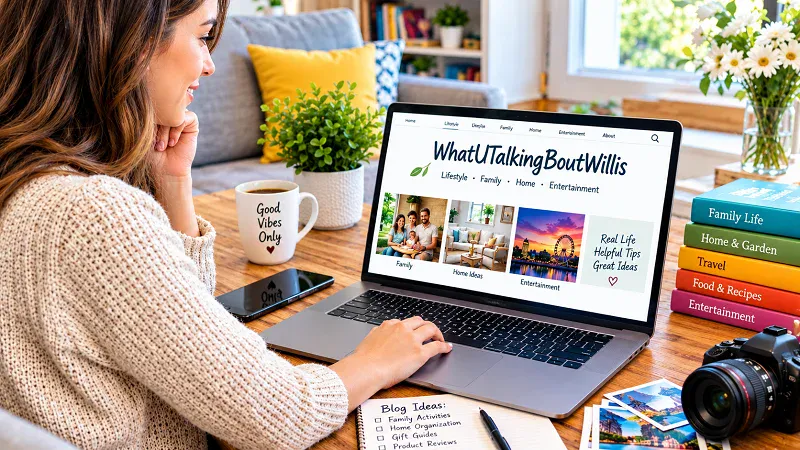
The internet has transformed how people discover information, explore entertainment, and stay connected with the world. Blogs have become an important part of this transformation by providing readers with helpful articles, personal insights, practical advice, and engaging stories. Whether someone wants lifestyle inspiration, family-related ideas, entertainment updates, or everyday tips, online blogs offer plenty of opportunities to learn something new.
Blog WhatUTalkingBoutWillis is a keyword that readers may use when searching for an online destination associated with interesting topics and accessible content. Understanding what makes a blog valuable can help readers find useful information while helping content creators develop articles that attract and retain an audience.
In this guide, we will explore the role of lifestyle blogs, the types of content readers enjoy, the importance of useful information, and the practices that help a blog build a stronger online presence.
1. Understanding Blog WhatUTalkingBoutWillis
The phrase blog WhatUTalkingBoutWillis can serve as a search term for people looking to explore a blog or learn more about its content. When readers visit a blog, they generally want information that answers their questions, introduces fresh ideas, or helps them make everyday decisions.
A successful blog should make its purpose clear from the beginning. Readers should understand the subjects it covers and how its articles can benefit them. Clear navigation, descriptive headings, and straightforward language also help visitors find the information they need.
People have different reasons for reading blogs. Some enjoy discovering lifestyle advice, while others prefer family discussions, entertainment, home-related ideas, or practical guides. A well-organized website can make these subjects easier to explore without overwhelming visitors.
2. Exploring Lifestyle and Everyday Topics
Lifestyle content remains popular because it connects with situations that people experience in their daily lives. Articles about routines, organization, personal interests, and everyday challenges can provide readers with ideas they can apply immediately.
For example, a lifestyle article might explain how to organize a busy schedule, create a comfortable living space, or develop better daily habits. These subjects appeal to readers because they focus on realistic improvements rather than complicated solutions.
Blogs can also explore hobbies, seasonal activities, personal experiences, and creative projects. By covering different aspects of everyday living, writers can provide a varied reading experience while maintaining a consistent editorial direction.
The most useful lifestyle articles combine relatable examples with practical suggestions. Instead of offering vague advice, writers should explain the steps readers can follow and the benefits they may receive.
3. Family, Parenting, and Relationships
Family life, parenting, and relationships provide many opportunities for meaningful blog content. Readers often search for guidance on communication, family activities, household responsibilities, and ways to maintain healthy relationships.
A helpful parenting article might discuss establishing consistent routines, encouraging children’s creativity, or making family time more enjoyable. Relationship-focused content can explore listening skills, respectful communication, and methods for resolving everyday disagreements.
Writers should approach these topics thoughtfully and avoid presenting one solution as suitable for every family. Personal circumstances differ, and readers benefit from balanced information that acknowledges those differences.
Practical examples can make these articles more relatable. For instance, a writer could explain how families might plan a weekly activity together or create a simple household schedule that distributes responsibilities fairly.
4. Entertainment and Popular Culture
Entertainment is another subject that attracts online readers. People enjoy discovering information about television, movies, celebrities, books, music, and internet trends. Blogs can help readers explore these interests through reviews, commentary, recommendations, and explanatory articles.
A useful entertainment post should provide more than a collection of opinions. It can explain why a particular release has attracted attention, identify its intended audience, or compare different options for readers with similar interests.
Accuracy matters when publishing entertainment news. Writers should verify names, dates, announcements, and other factual details before sharing them. They should also distinguish confirmed information from rumors or personal predictions.
By combining engaging writing with reliable information, entertainment blogs can encourage readers to return whenever they want to discover something interesting.
5. What Makes a Blog Useful for Readers?
A valuable blog focuses on the reader’s needs. People usually visit websites because they want an answer, a recommendation, an explanation, or an enjoyable reading experience. Content should therefore deliver its main benefit without unnecessary repetition.
Several elements can improve the quality of a blog:
- Clear headlines: Titles should accurately describe the information readers will find.
- Helpful explanations: Each section should answer a question or develop a meaningful point.
- Readable formatting: Short paragraphs, descriptive subheadings, and organized lists improve readability.
- Reliable information: Writers should check factual claims and use trustworthy sources when appropriate.
- Practical examples: Relevant examples help readers understand how to apply the information.
- Regular updates: Reviewing older posts helps keep important information accurate and useful.
These principles apply to almost every subject, from lifestyle and parenting to entertainment and home improvement.
6. How to Navigate a Blog More Effectively
Readers can improve their browsing experience by using a blog’s categories, search function, and related-article links. These features help visitors discover content that matches their interests without searching the entire website manually.
Start by identifying the topic you want to explore. If you need practical advice, look for instructional articles or step-by-step guides. If you prefer entertainment, explore reviews, recommendations, and commentary.
It is also helpful to examine publication dates when reading information that may change over time. Technology, entertainment releases, product recommendations, and online services can become outdated, so recent information may be more relevant.
Readers should evaluate important claims carefully, particularly when an article discusses health, money, legal matters, or other decisions with significant consequences. Comparing reliable sources can provide a more complete understanding.
7. The Importance of SEO for Blog Content
SEO helps search engines interpret website content and match it with relevant user searches. Bloggers can improve discoverability by creating descriptive titles, organizing articles logically, and answering readers’ questions directly.
When developing content around blog WhatUTalkingBoutWillis, writers should use the target keyword naturally. It can appear in the title, introduction, and relevant sections where it fits the discussion. Repeating the phrase excessively can make an article difficult to read and reduce its overall quality.
Related keywords can help establish context, but they should reflect the actual subject of the article. Writers should avoid adding unrelated terms simply to attract additional search traffic.
Other important SEO practices include improving page speed, ensuring mobile compatibility, using descriptive URLs, and linking to relevant articles within the same website. Original content that provides genuine value gives readers a reason to spend time on a site and return in the future.
8. Creating Engaging and Original Blog Articles
Consistent, thoughtful content creation helps establish a recognizable editorial identity. Before writing an article, bloggers should identify their target audience and determine what readers want to learn.
A useful writing process begins with research and a clear outline. Each heading should introduce a distinct idea, and every section should provide enough explanation to make that idea understandable.
Writers can keep readers engaged by including relevant examples, useful comparisons, and actionable advice. However, they should avoid copying another website’s work. Original explanations and properly attributed information help maintain credibility.
Editing is equally important. Reviewing grammar, removing repeated points, checking links, and confirming factual details can make an article more professional. After publication, bloggers can examine reader feedback and search performance to identify opportunities for improvement.
9. What Readers Should Expect from a Quality Blog
A quality blog should provide a positive experience from the moment visitors arrive. Its design should be easy to navigate, its pages should load reliably, and its content should be understandable on desktop computers and mobile devices.
Readers also appreciate transparency. Clear information about the website’s purpose, editorial approach, and contact options helps visitors understand who operates the site and how to ask questions.
Advertisements should not overwhelm the main content, and promotional material should remain distinguishable from independent information. When articles recommend products or services, clear disclosures can help readers understand relevant commercial relationships.
These practices support trust and encourage visitors to evaluate a website based on the usefulness and reliability of its content.
Conclusion
Blogs continue to provide an accessible way for people to discover ideas, explore personal interests, and find answers to everyday questions. Lifestyle discussions, family guidance, entertainment articles, and practical tutorials can all contribute to an engaging online experience when writers focus on accuracy and reader needs.
Blog WhatUTalkingBoutWillis is a search phrase that can guide readers toward exploring blog-related information and content. To make that exploration worthwhile, readers should look for clear explanations, relevant topics, and reliable information.
For bloggers, the most sustainable approach involves creating original articles, organizing information carefully, and applying SEO practices without sacrificing readability. By prioritizing quality and usefulness, a blog can build credibility, serve its audience more effectively, and create a stronger foundation for long-term growth.